Animales sorprendentes
- 50m
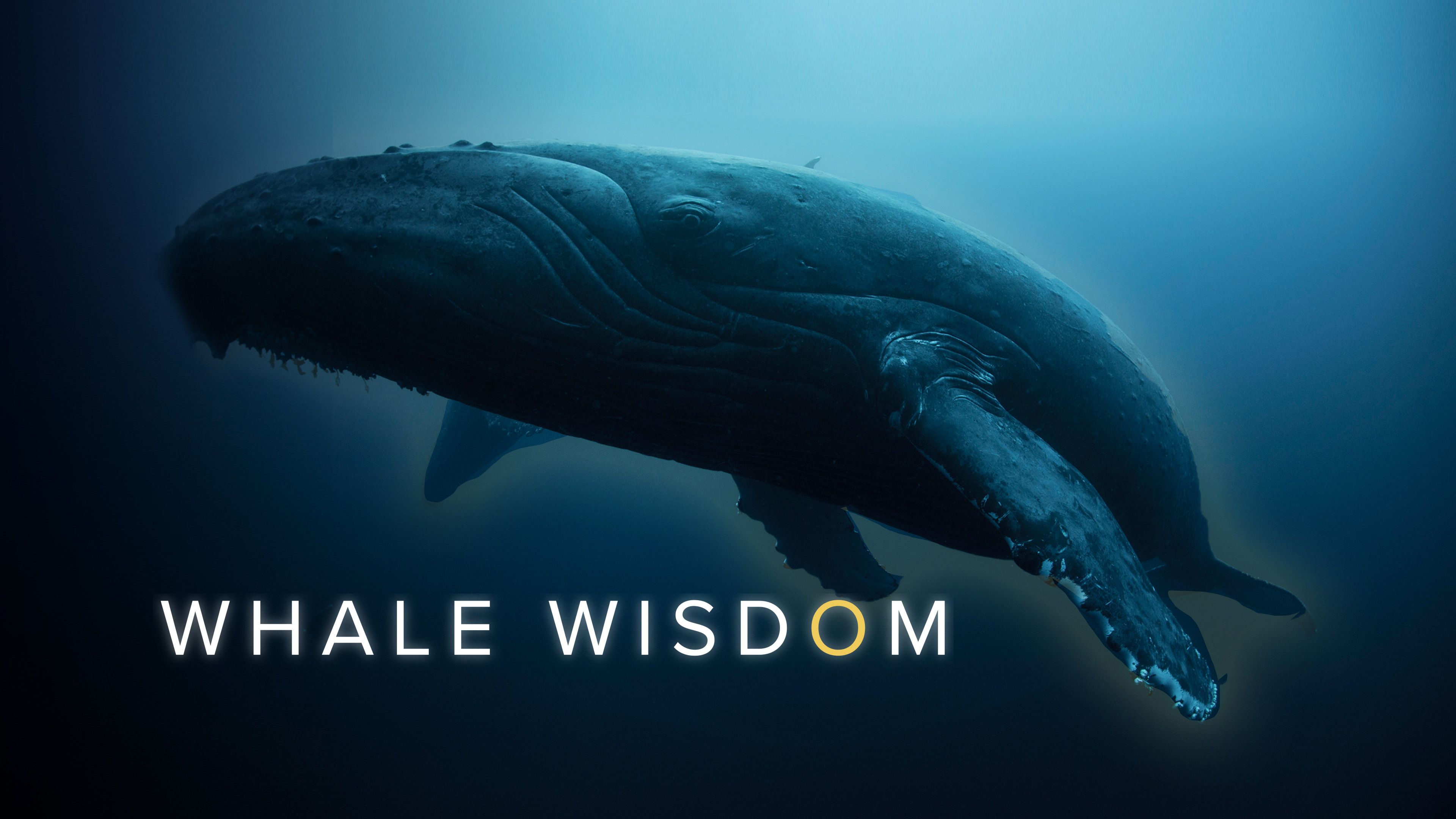
Whales have long been a profound mystery to us. They live in a world so removed from our own that we can barely imagine their lives. Their environment is different, their senses are different, their relationships are different. How might such almost alien creatures see the world?
 Original
- E18
- 19m
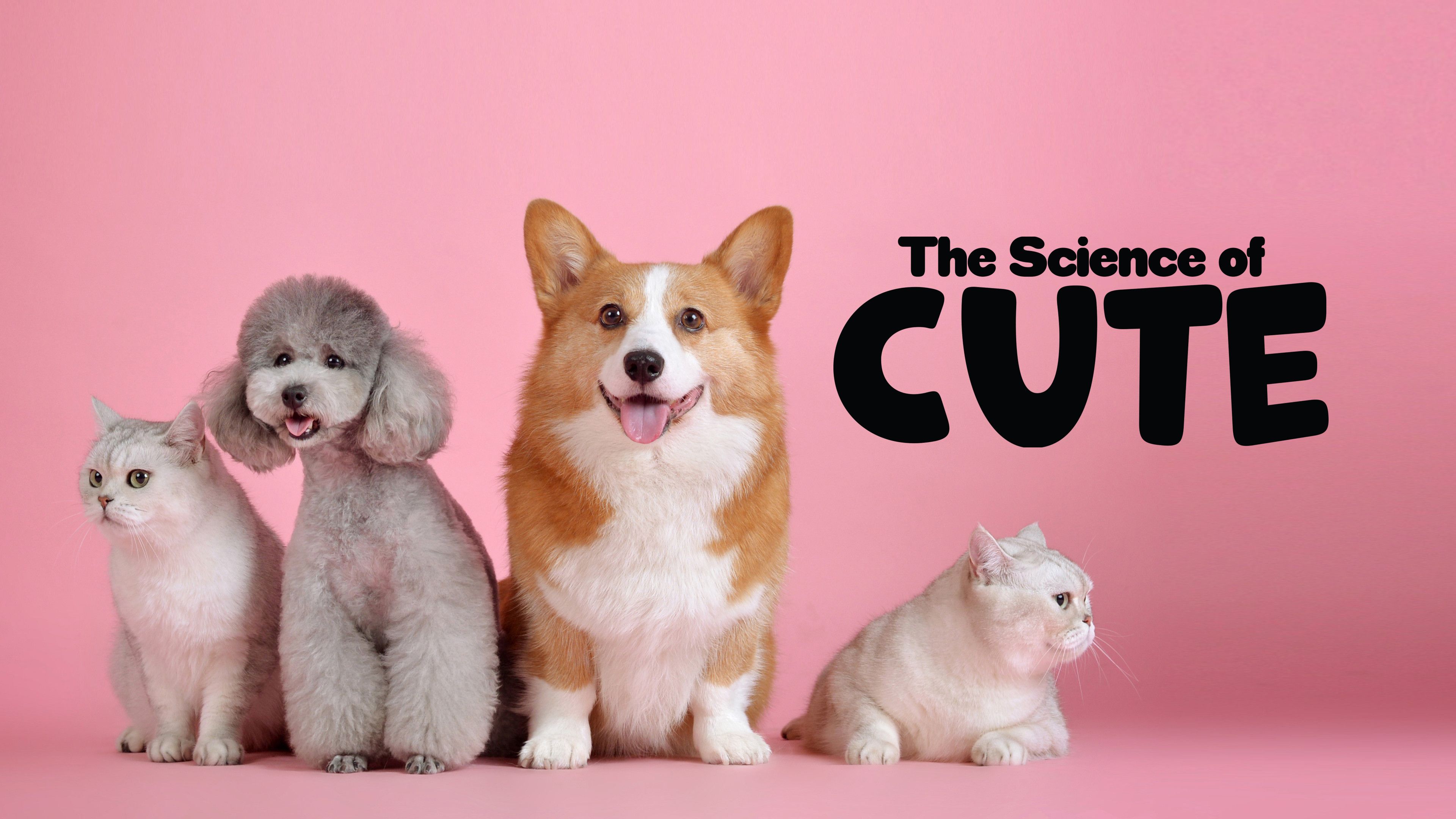
Domestication shaped wolves into dogs and transformed both their behavior and their anatomy. New discoveries show how dogs produce a very specific eyebrow movement more often than wolves do. But how and why did “puppy dog eyes” develop in domesticated dogs?
 Original
- 7 episodes
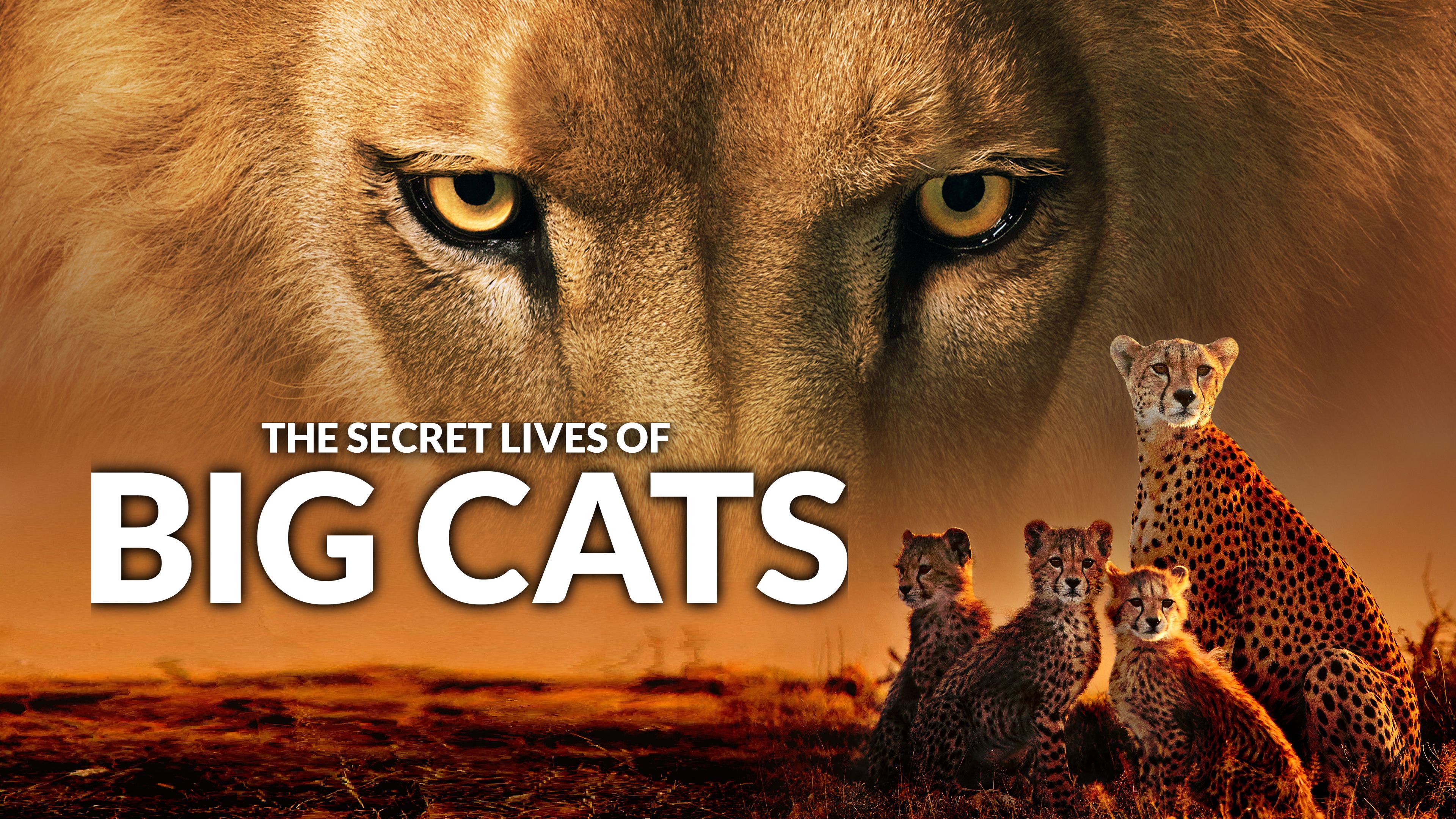
Big cat populations are shrinking fast, but now we have the means to view them in more detail than ever.
- 50m
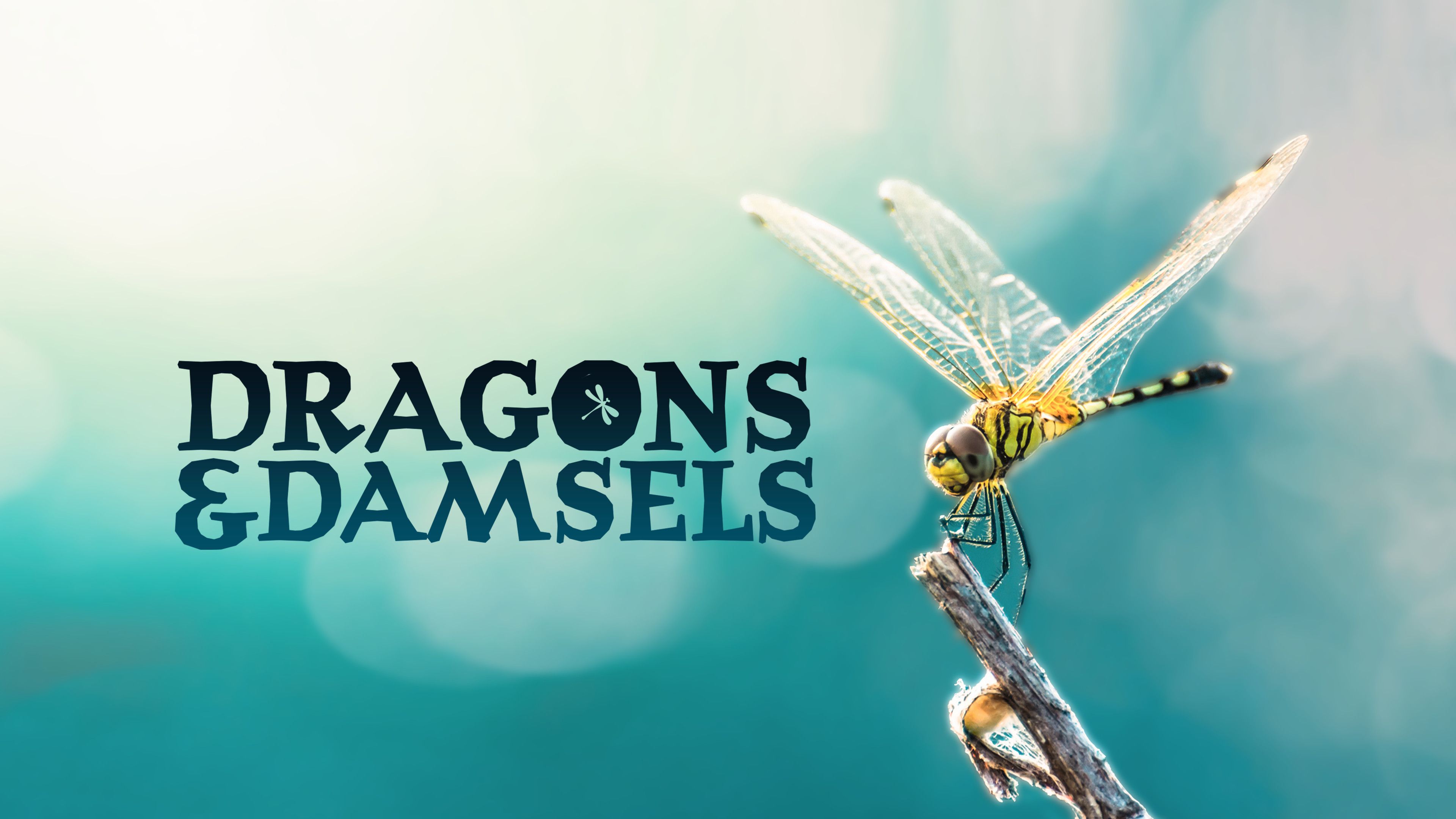
More beautiful than butterflies, more spectacular fliers than hummingbirds, and with intriguing behavior as complex as mammals or birds. They’ve been flying around for hundreds of millions of years, crossing paths with dinosaurs before we mammals were even a twinkle in the eye of evolution.
- 55m
In this award-winning film, David Attenborough narrates this close up look at these tiny pollinators captured in flight as never before. Acrobats of the air - flying jewels - iridescent partners of countless plants: hummingbirds are amongst the most remarkable creatures on our planet.
 Original
- 3 episodes
In this unprecedented series, recent scientific discoveries shed new light on the extraordinary prehistory of big cats.
 Original
- 5 episodes
Circle the globe on this exhilarating 5-part epic that “connects the dots" between the GIANTS of the natural world, past and present.
 Original
- 6 episodes
Equipped with a cutting-edge infrared drone, Doug Thron heads into disaster zones to save the cats and dogs that have been left behind.
 Original
- E30
- 9m
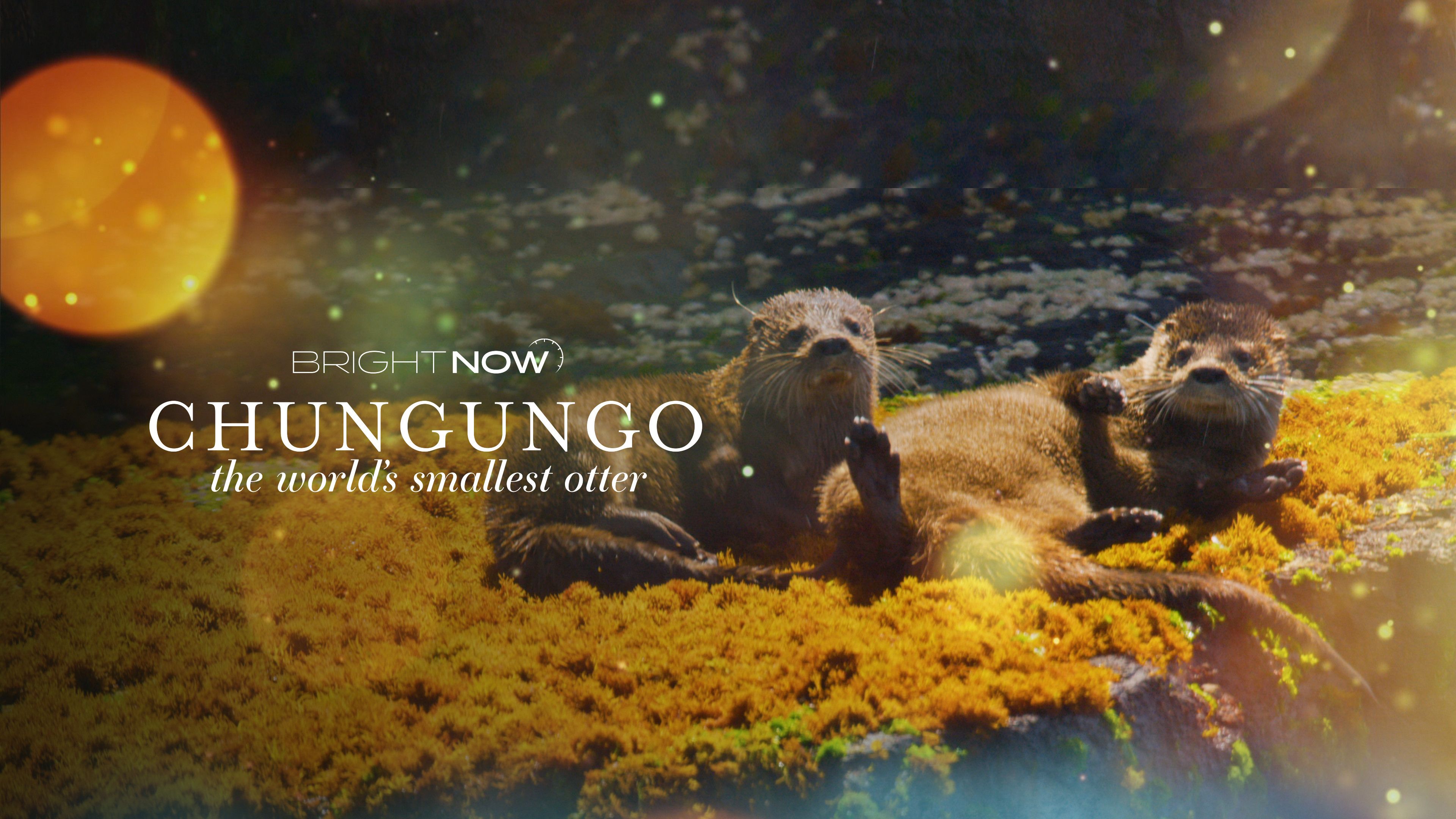
Meet a family of Chungungos, the world's mysterious, smallest otter. Living along the untamed coast of the southern Pacific Ocean, these furry, intelligent, and adorable creatures make their home in the wild of Chile.
 Original
- 28m
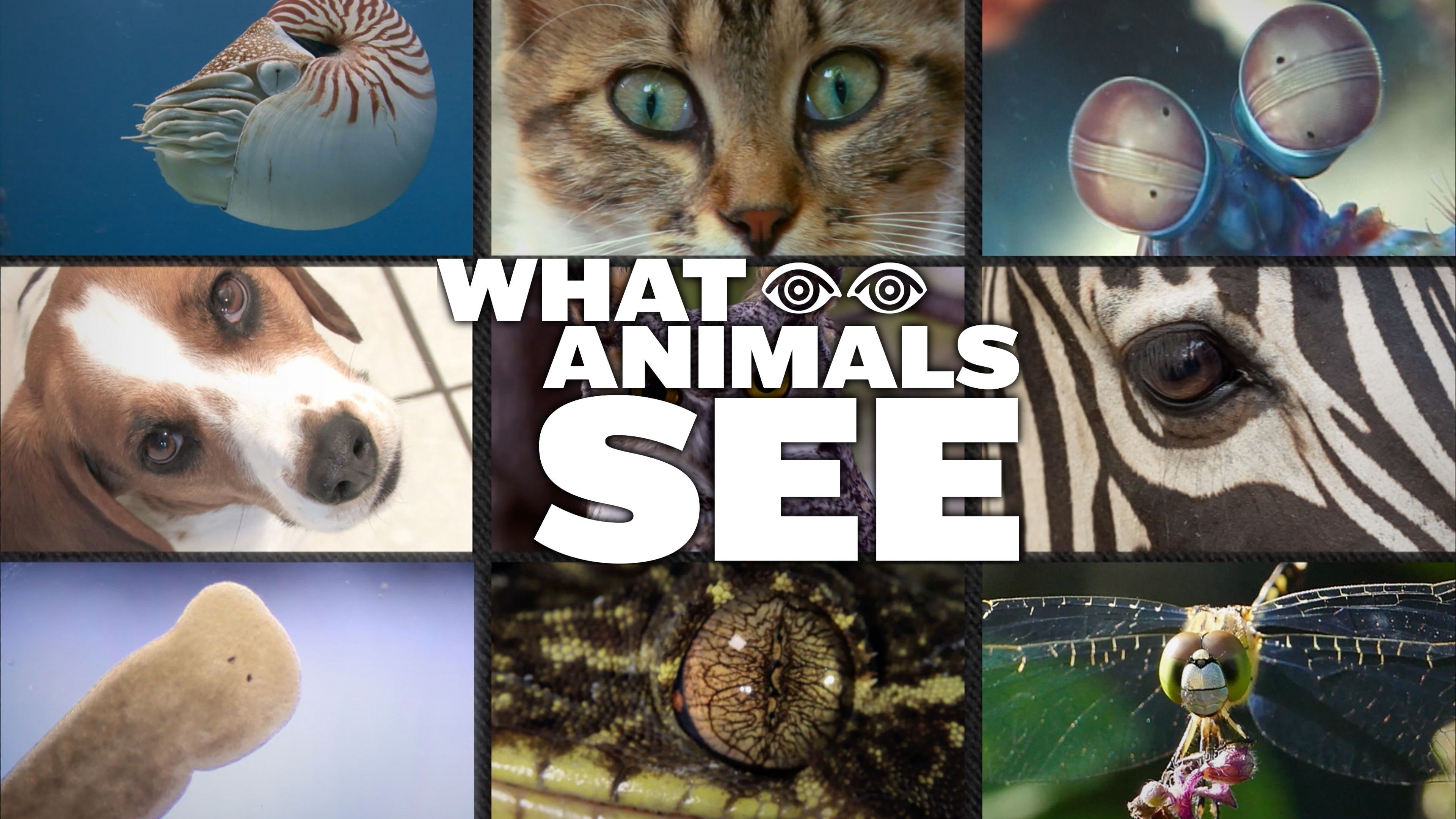
How do animals experience the world around them? How does what they see impact their place in nature and how has their place in nature impacted what they see? We asked Professor Thomas Cronin to show us how the most interesting and prolific eyes in the animal kingdom work and how they came to be.
 Original
- 3 episodes
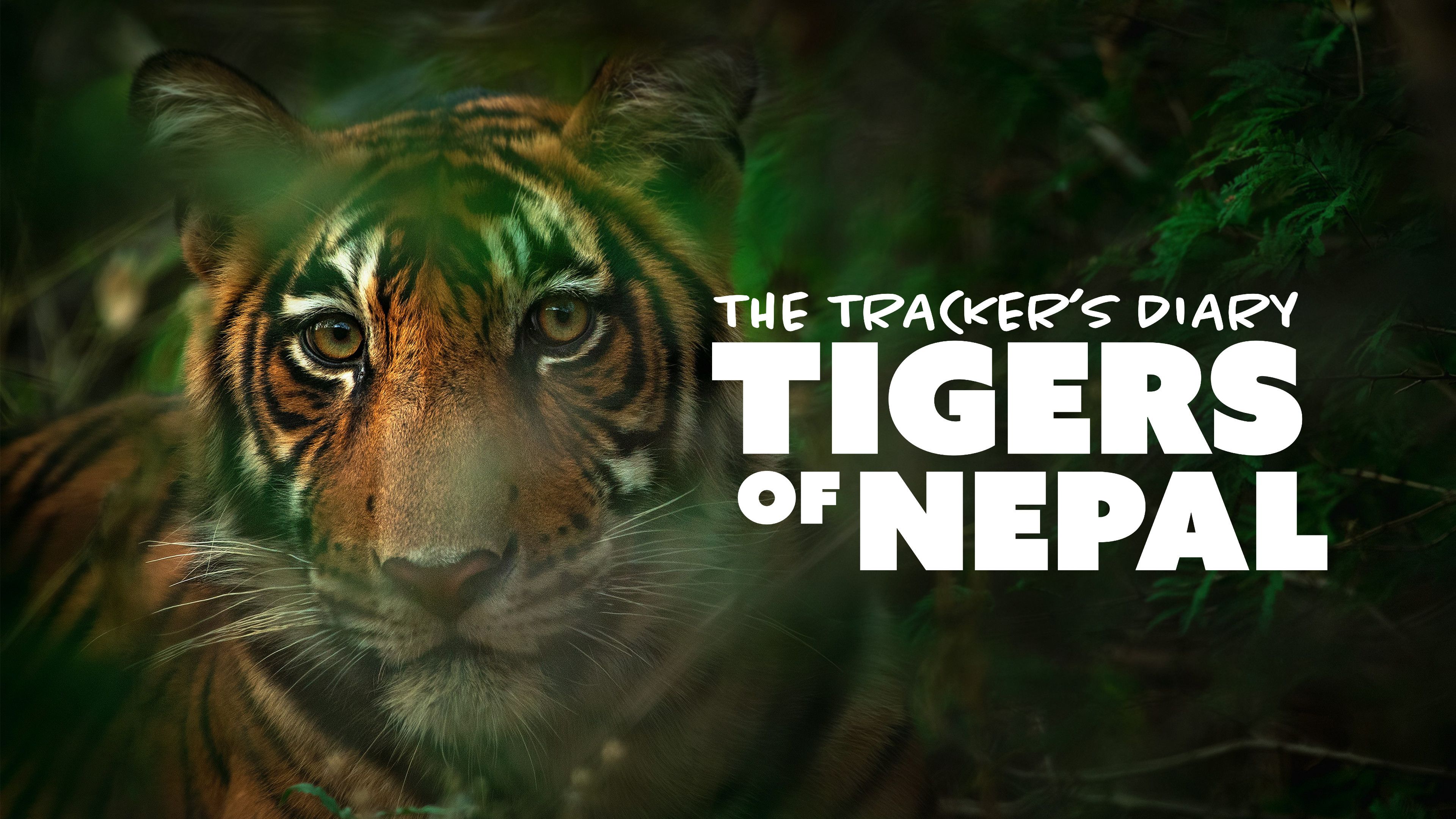
Nepal is known for its Bengal tigers, but only 300 remain in the wild. Tracker Casey Anderson is determined to walk in their footsteps.
 Original
- 59m
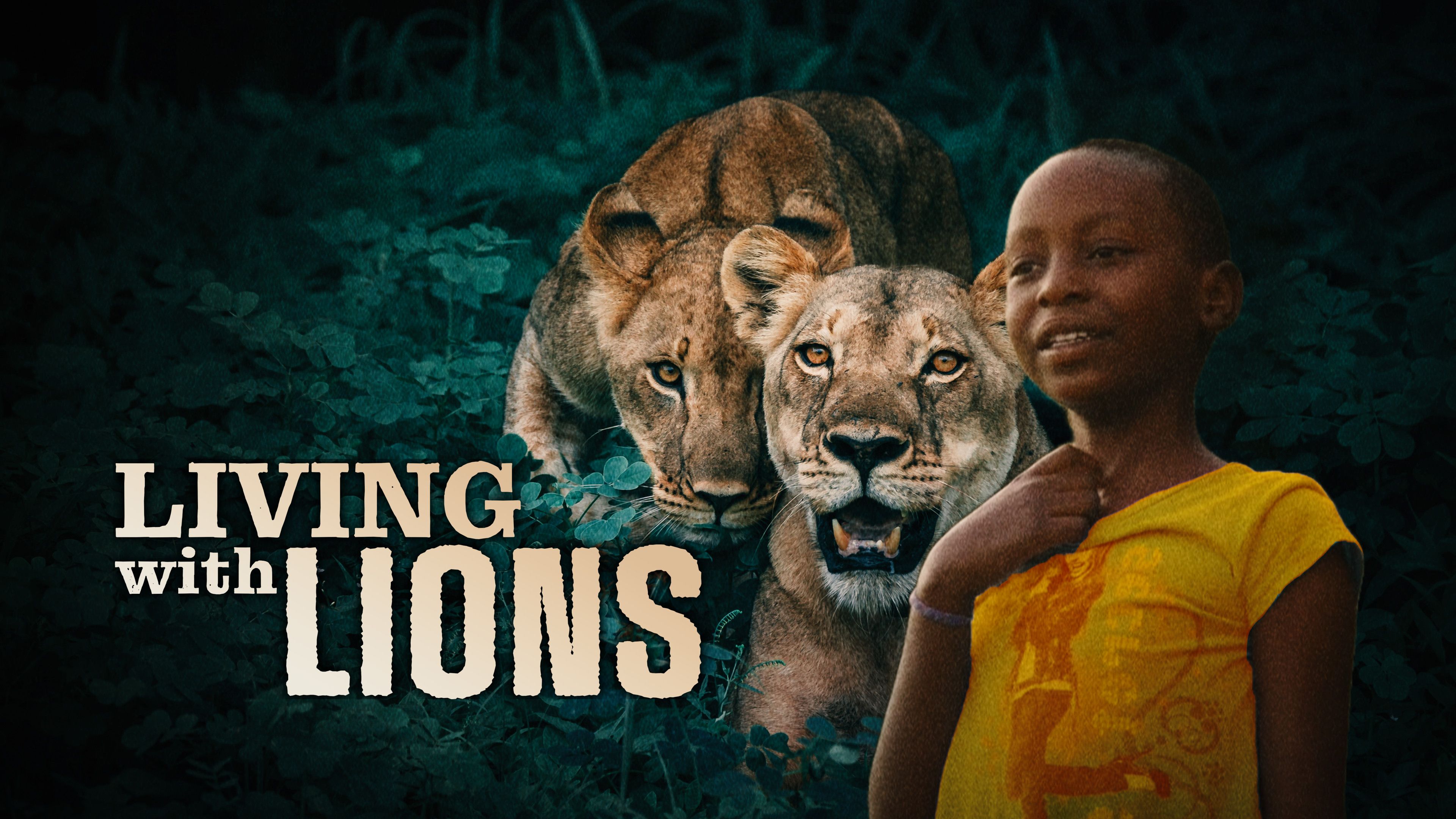
It’s the dry season near the Serengeti and hungry lions threaten the livelihood of cattle-herder Rugari and his family. He could kill the predatory lions and protect his cattle, but his daughter seeks another solution. Filmed on location in Tanzania—where the worlds of lions and humans collide.
 Original
- E1
- 9m
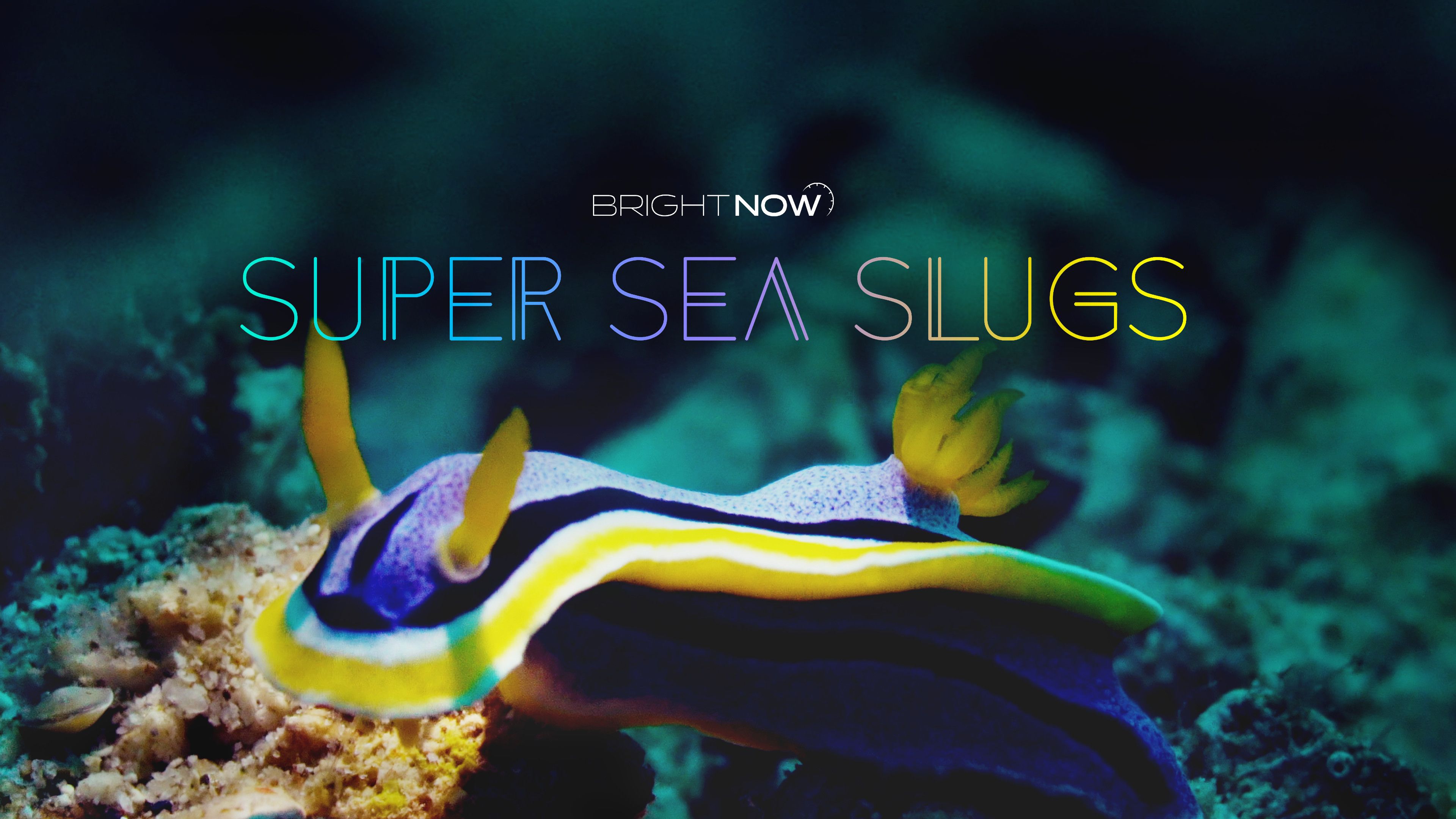
Adaptations in the oceans most colorful invertebrates. Nudibranchs, or sea slugs, have a remarkable range of adaptations to survive in the ocean. From weaponizing stinging cells, harvesting the power of the sun, spraying sulfuric acid, and turning their bodies into drift nets.
 Original
- E46
- 10m
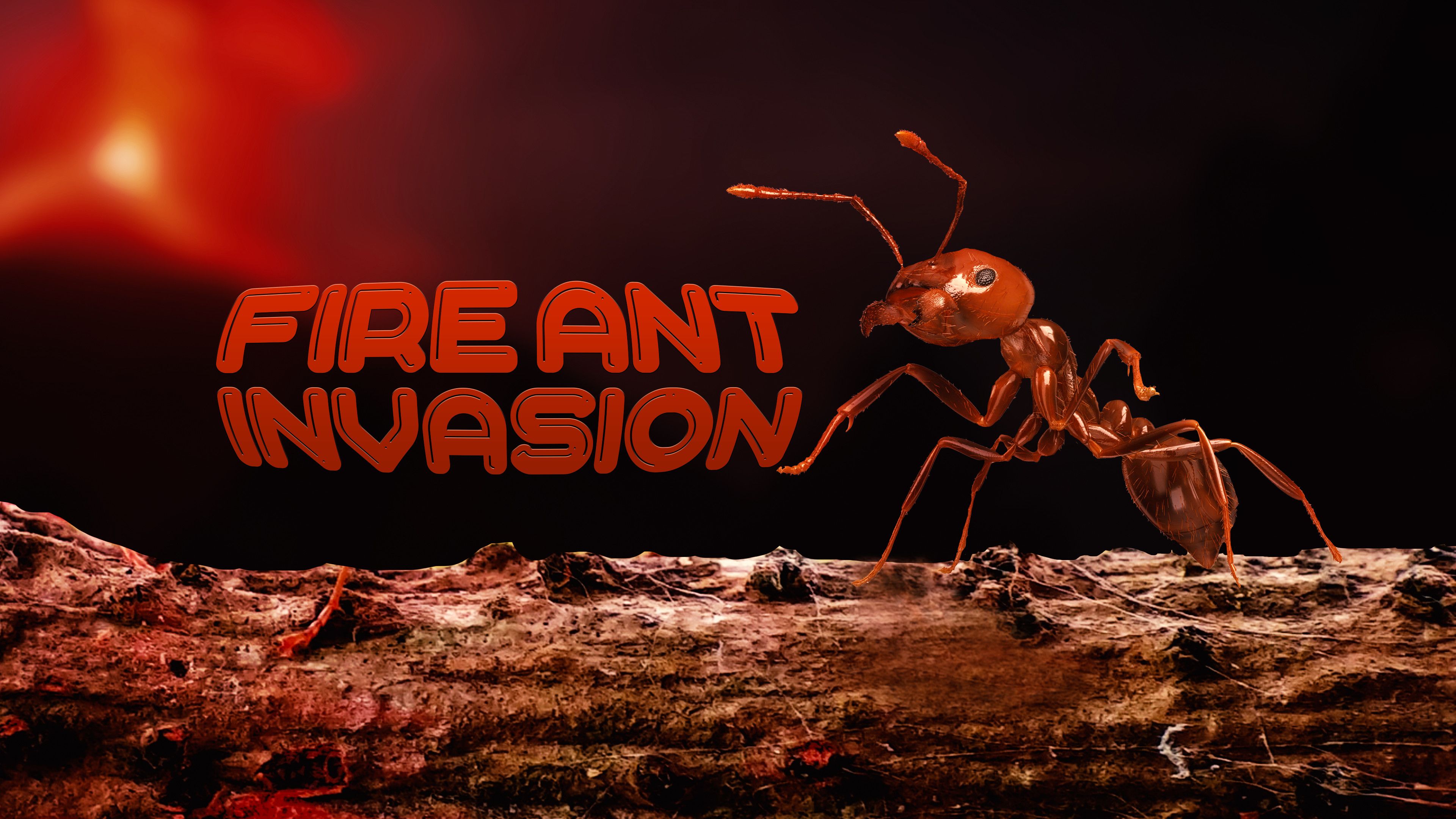
The fire ant strikes fear in all those who cross its path, and with good reason: this ant is taking over the world. A colony can contain up to 40 million individuals.It exterminates all other species, confiscates food for its own use, and ferociously defends its territory.
 Original
- E59
- 25m
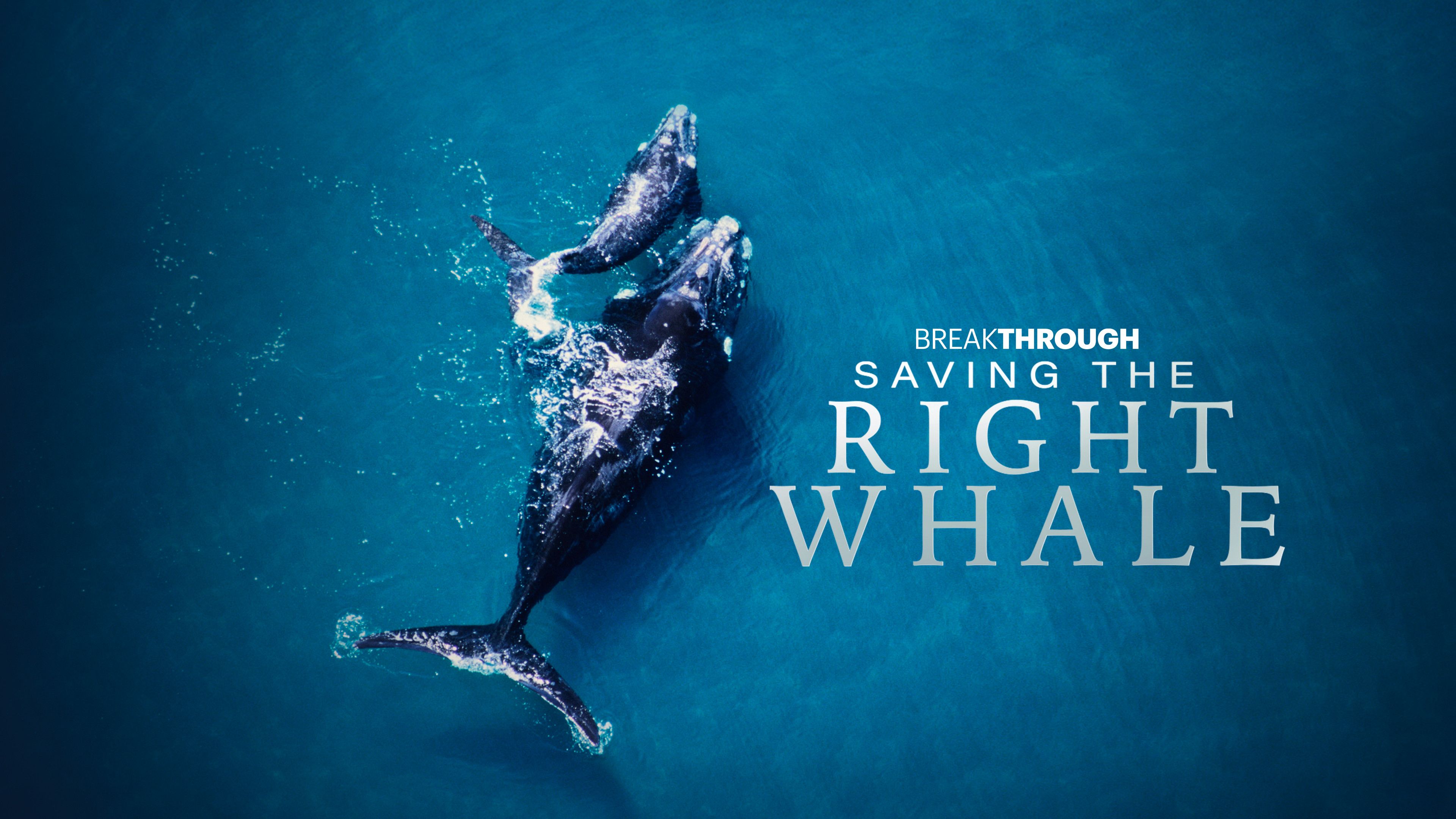
The North Atlantic Right Whale is on the verge of extinction. The leading cause of death and injury to the whales is from ship strikes or entanglement in fishing lines. In this Breakthrough episode, we will hear from the leading experts and biologists who are racing to save this species.
 Original
- E80
- 23m
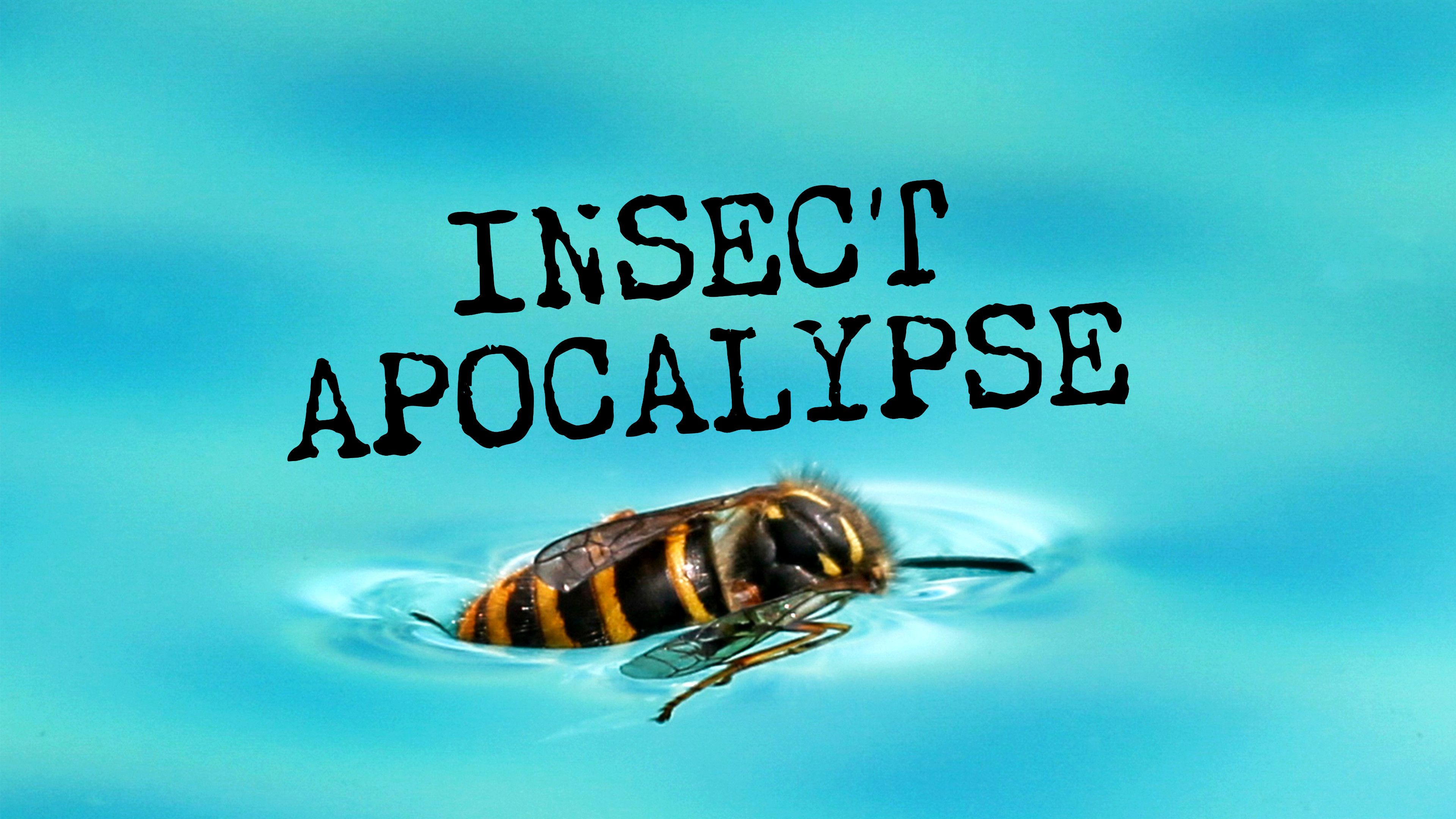
An alarming decline in insect populations could devastate all life on earth. What's causing it, and can anything be done to stop it?
 Original
- 6 episodes
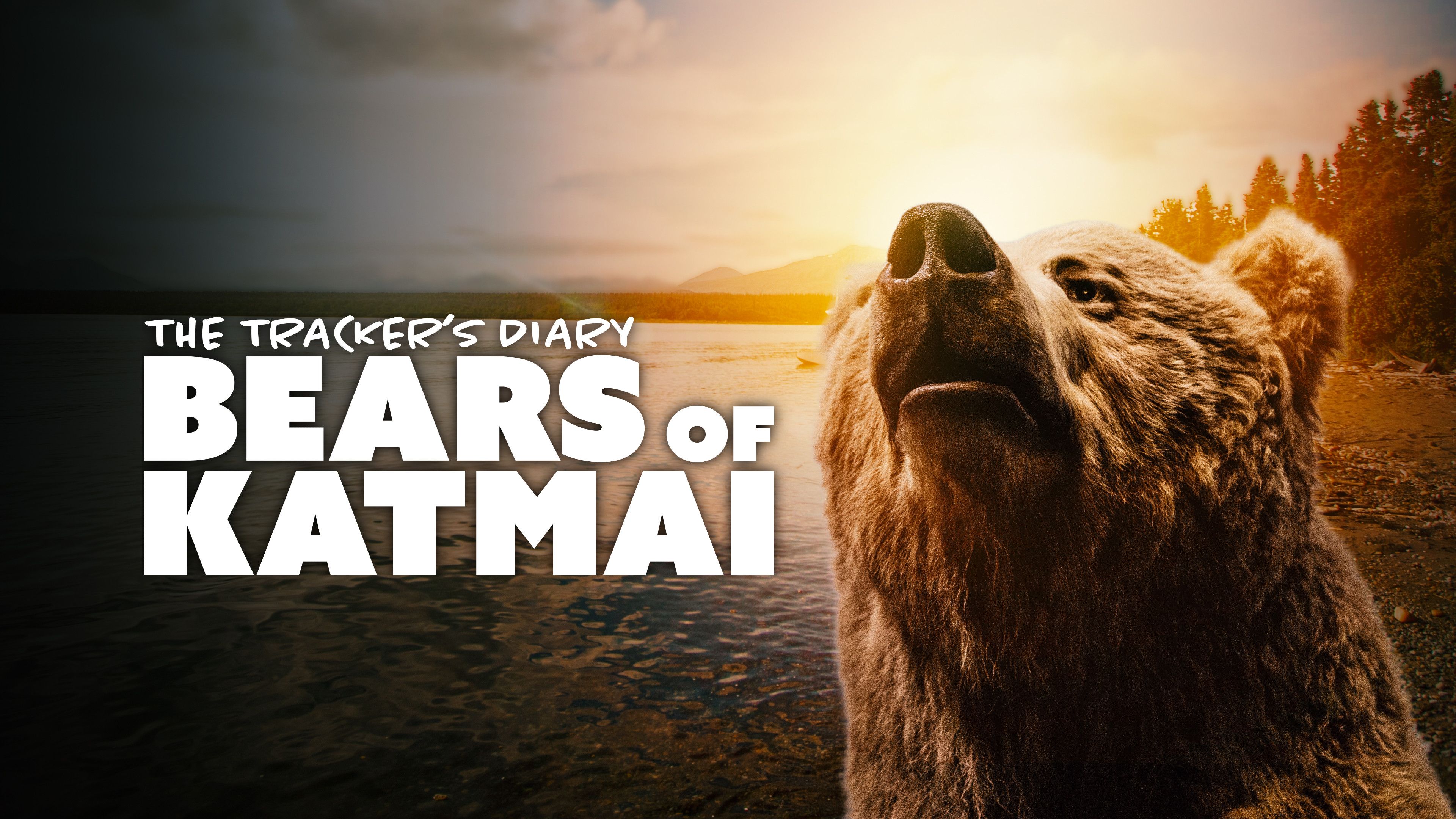
Join filmmaker Casey Anderson as he embeds in the Alaskan wilderness to follow the largest terrestrial carnivores in the world.
 Original
- E79
- 18m
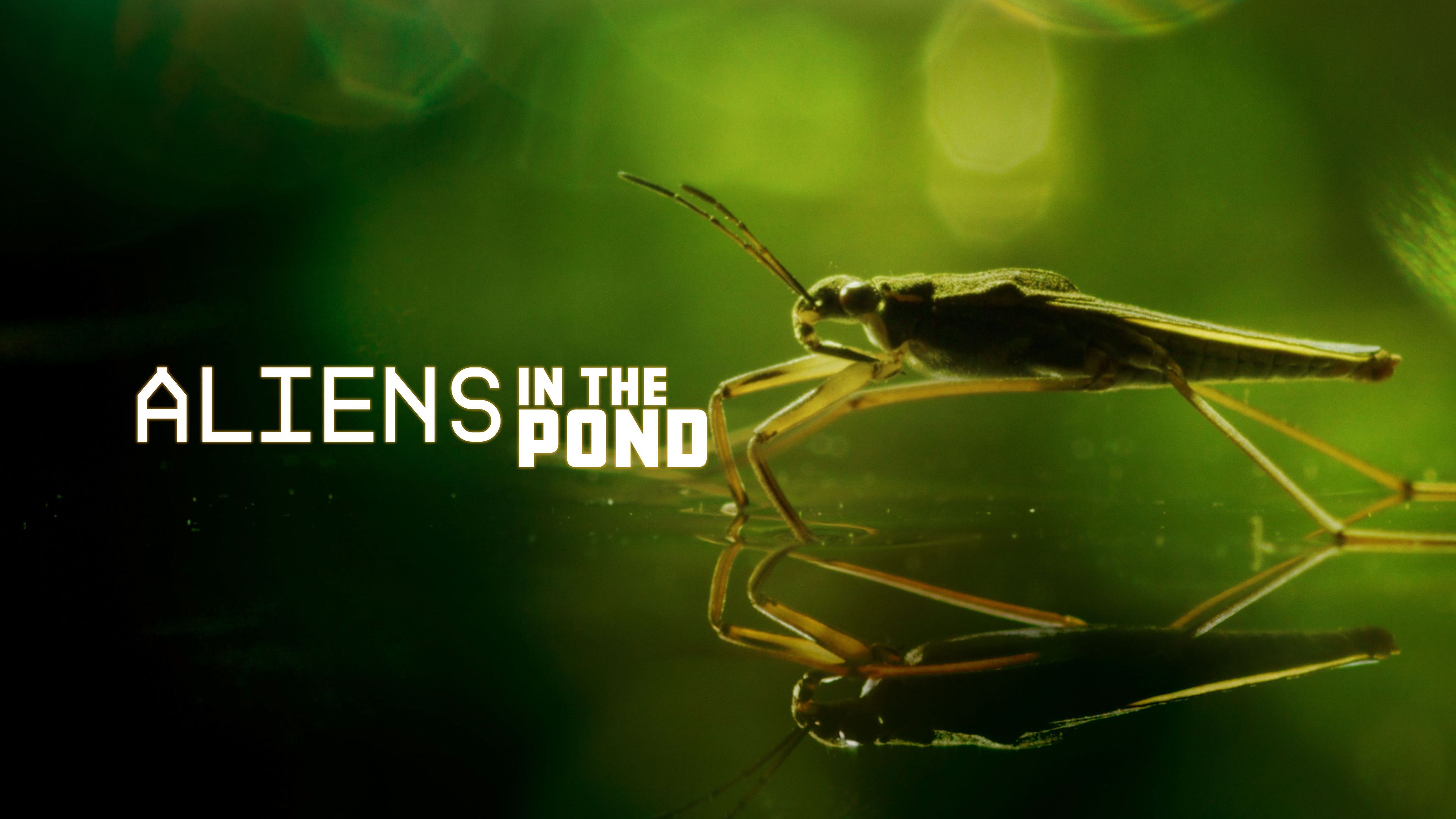
An alien world of bizarre creatures exists in the surface film of most lakes and ponds - tiny insects, with incredible capabilities, locked in a life and death struggle to survive.
 Original
- E71
- 13m
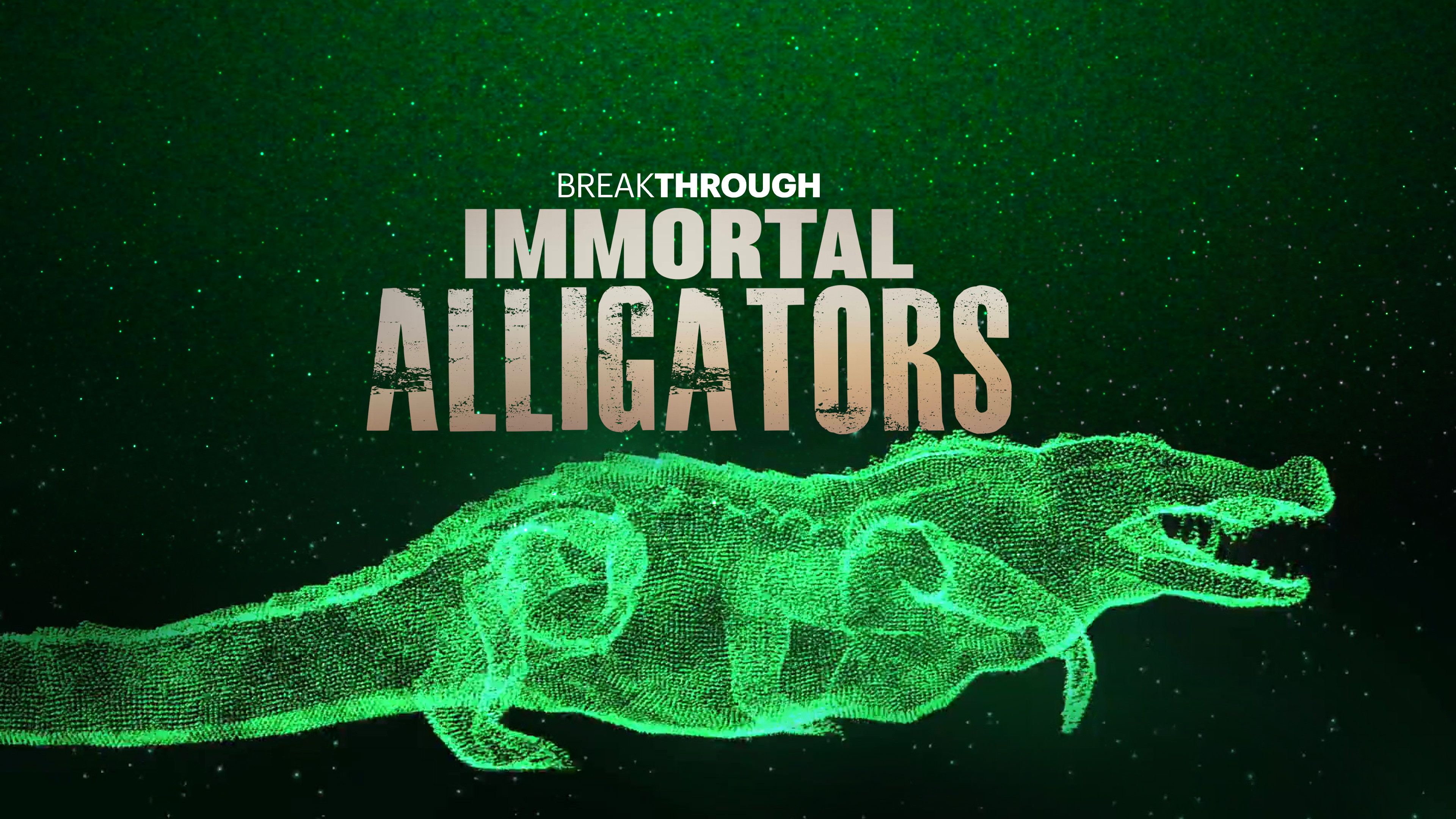
New research reveals how incredible these ancient, unchanged reptiles really are - partly because of what’s called negligible senescence. This means that Alligators show almost no signs of aging -- regardless of how long they live - and that they are “biologically immortal.”
 Original
- E25
- 11m
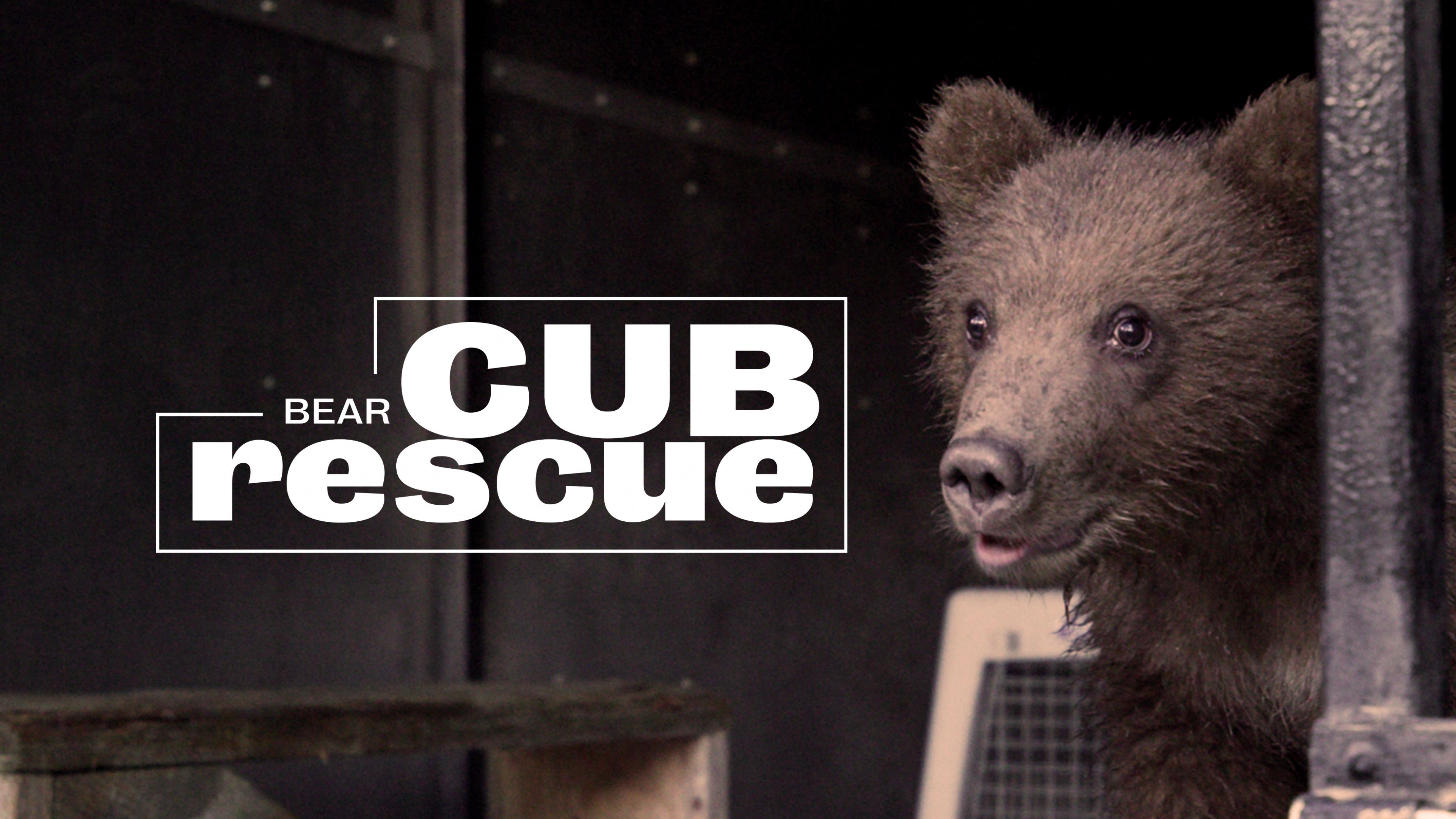
Growing up in Montana, Casey Anderson came to love and appreciate wild animals at a very young age. He found a particular kinship with bears. One day he was faced with a fateful decision, leave and orphaned grizzly cub to die in the wild or save it. Now he is faced with that same decision again.
 Original
- E76
- 11m
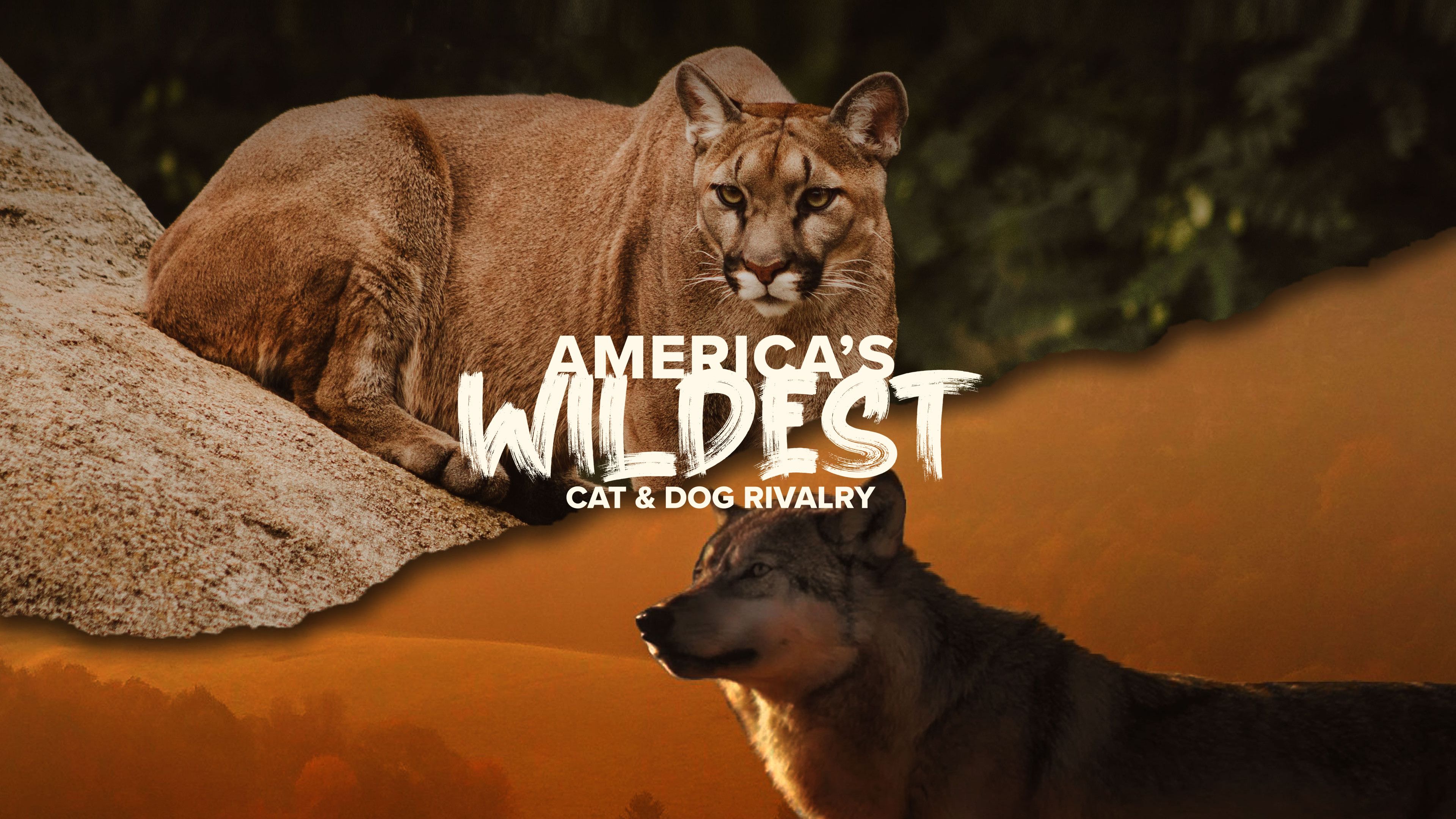
Wildlife tracker Tyler Johnerson explores the deadly rivalry that's developed between native mountain lions and reintroduced wolves in Yellowstone National Park.
 Original
- 35m
Bugs, they're everywhere. Get an up close and personal look at the many unique secrets that can be found in the insect world. These creepy crawlies never looked so big!
 Original
- E59
- 10m
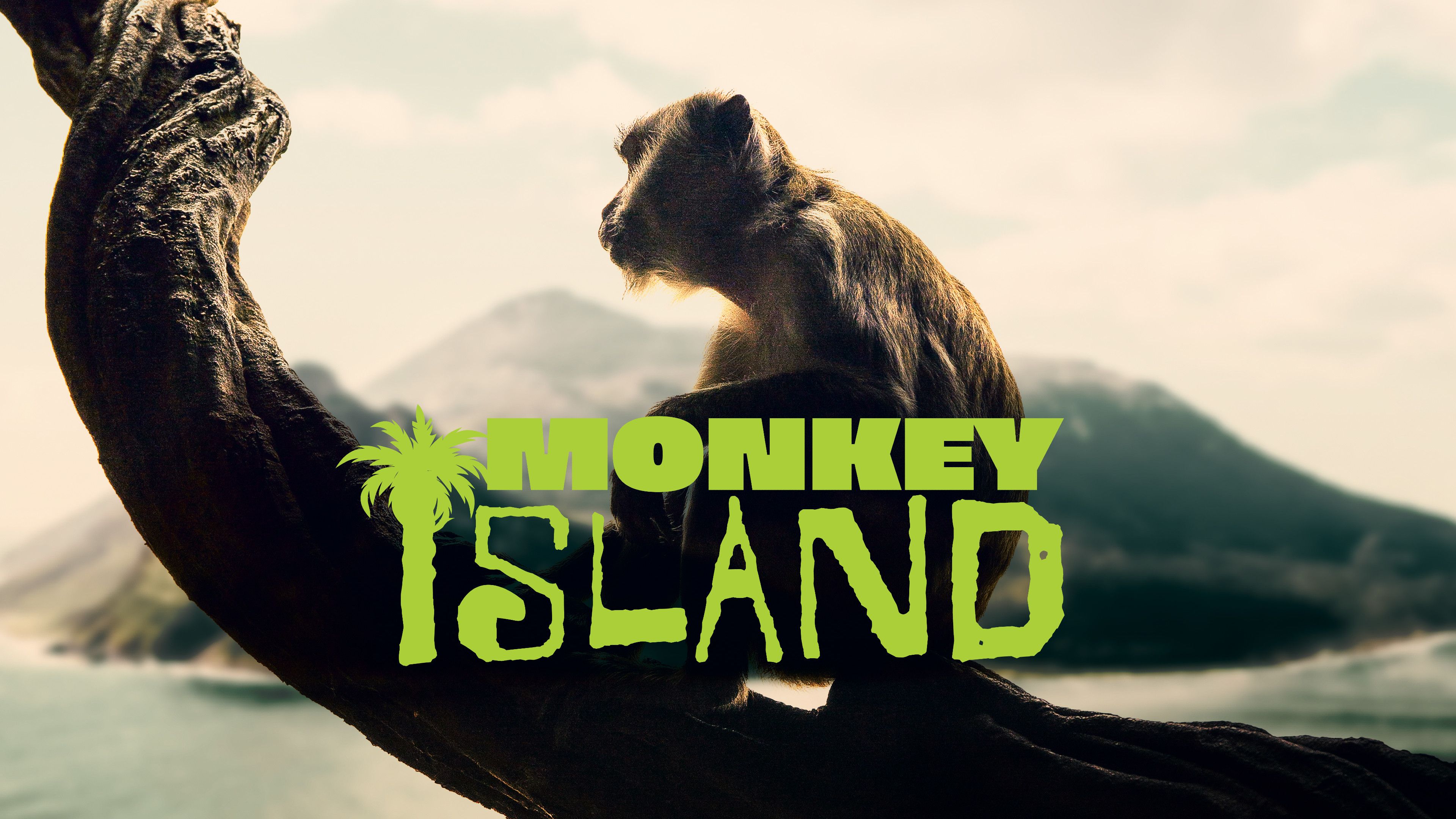
In 1938, an American psychologist and ethnologist captured 500 macaque monkeys and brought them to a remote and uninhabited Caribbean island. His project was to study a primate population roaming free, in a giant open-air laboratory.
 Original
- E42
- 9m
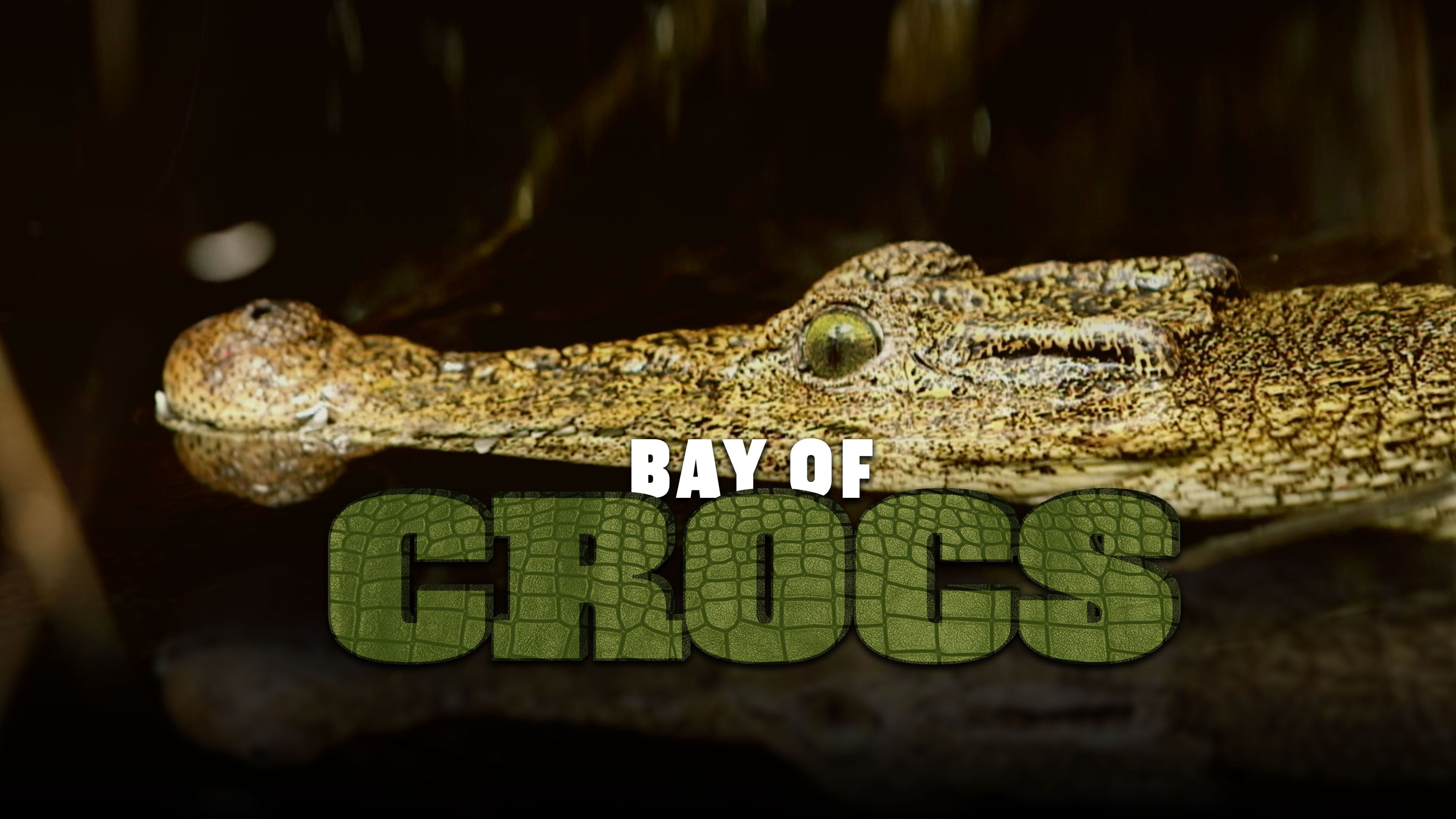
The Cuban crocodile is an endangered species poised to disappear. Meet the people trying to save this unique animal from extinction.
 Original
- 4 episodes
Wildlife expert and photographer, Casey Anderson, introduces us to some amazing wildlife in Yellowstone!
 Original
- 6 episodes
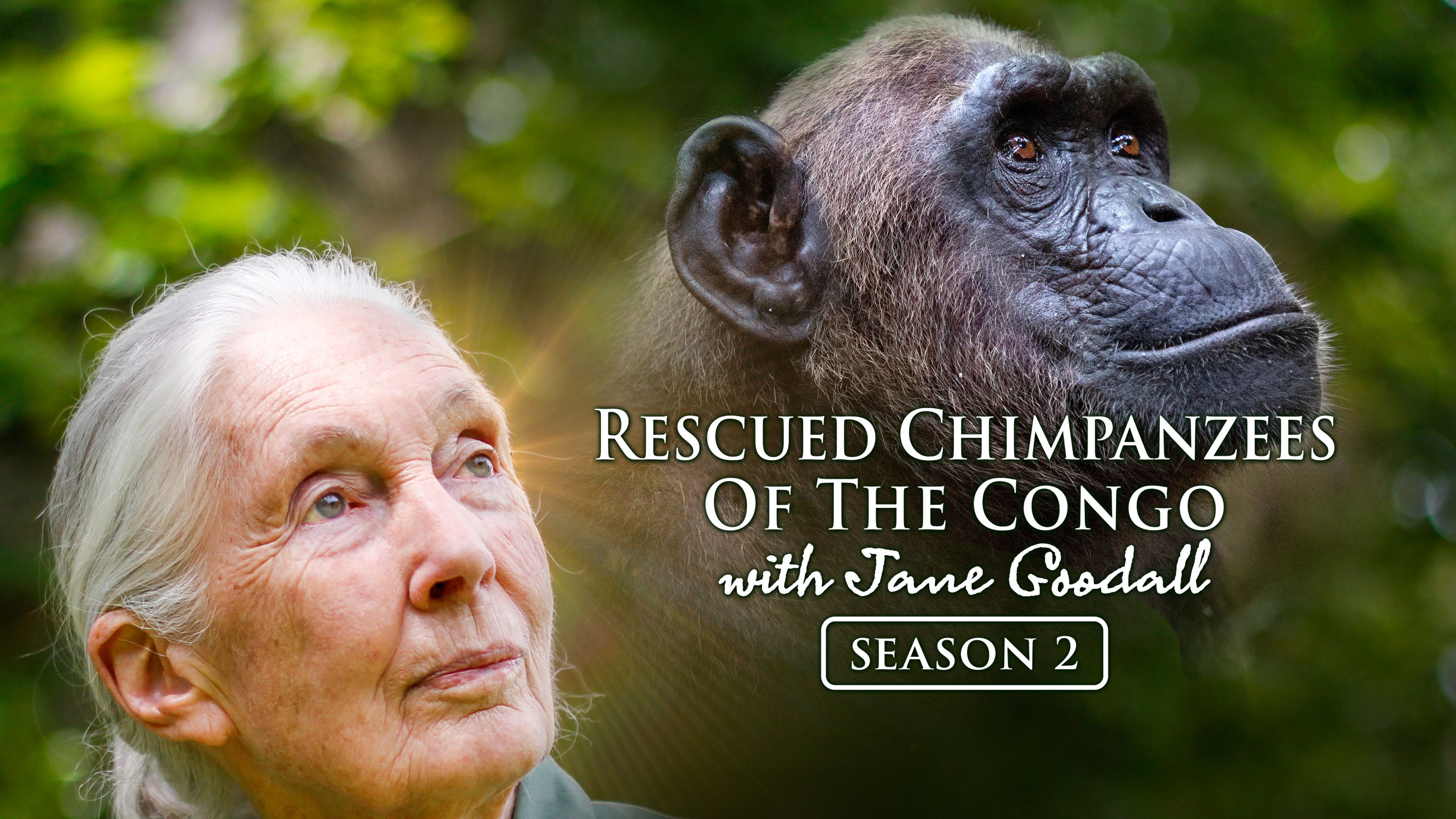
Dr. Jane Goodall and her staff prepare to reintroduce a special group of rescued and rehabilitated chimpanzees to the wild.
 Original
- E51
- 12m
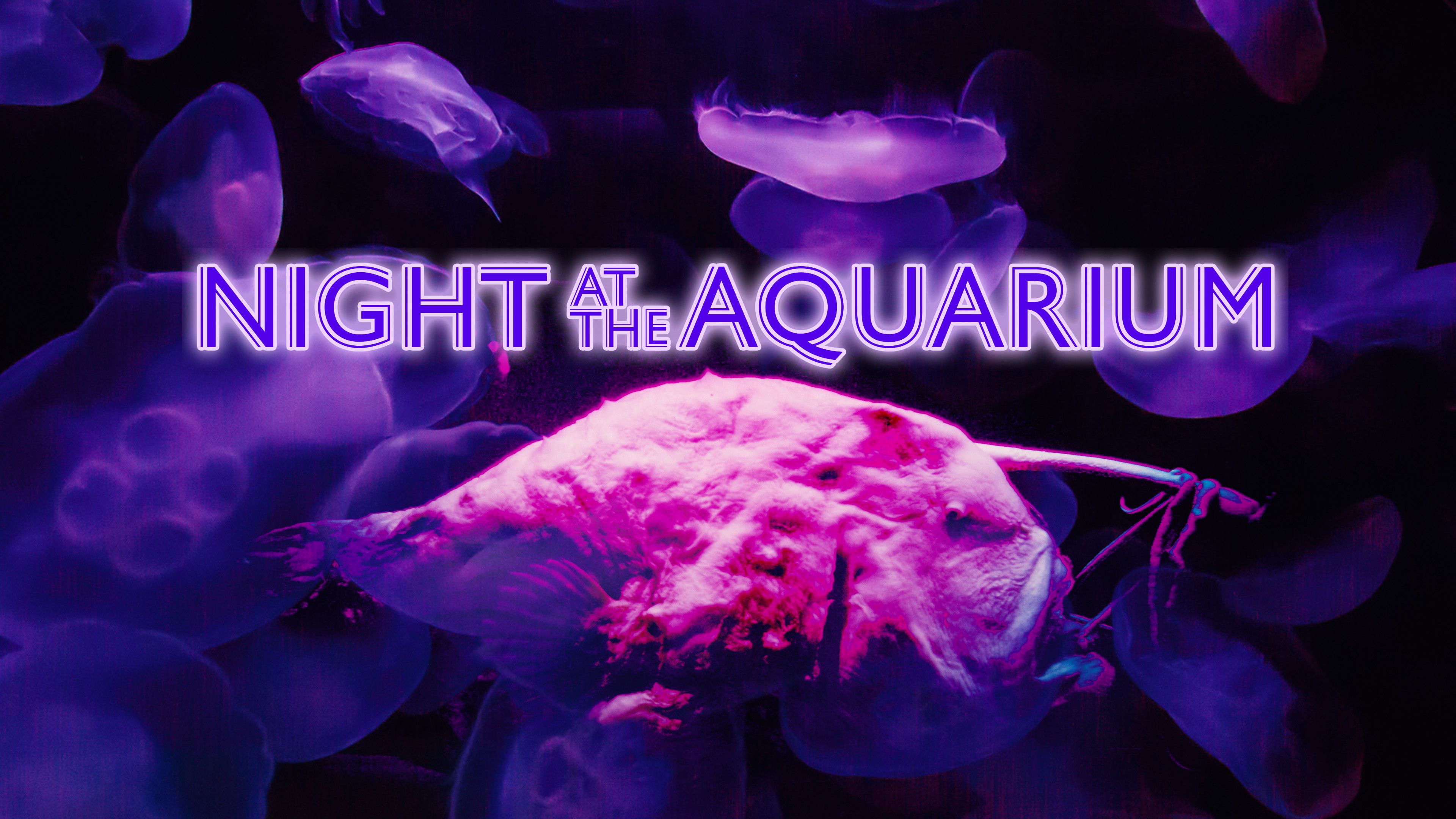
Have you ever wondered what happens behind closed doors at zoos and aquariums? What do the animals do when no one is around to watch them? Catch a glimpse at the quirky happenings that guests normally don’t get to see.
 Original
- 5 episodes
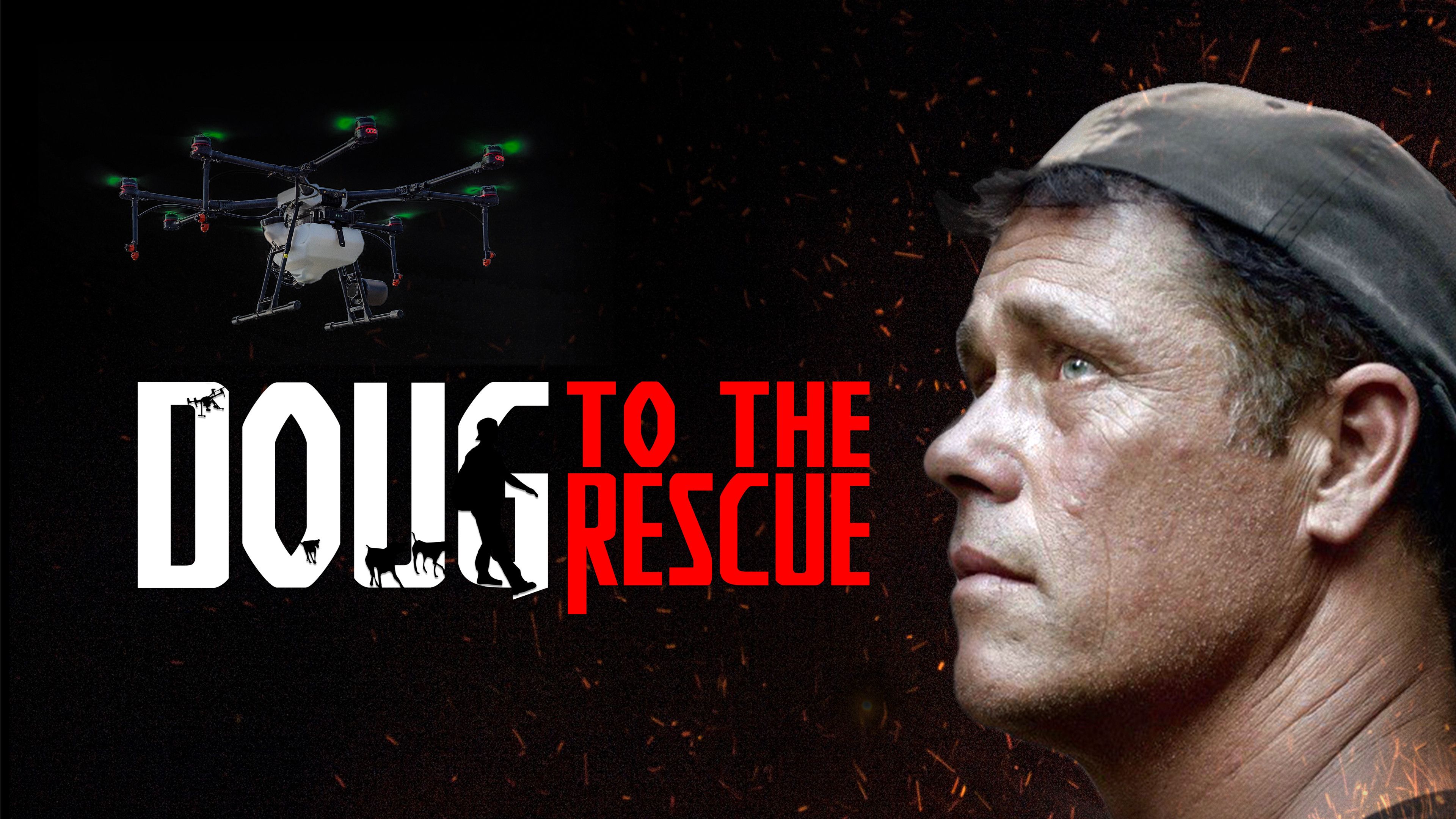
Equipped with a cutting-edge infrared drone, Doug Thron heads into disaster zones to save the cats and dogs that have been left behind.
 Original
- E64
- 12m
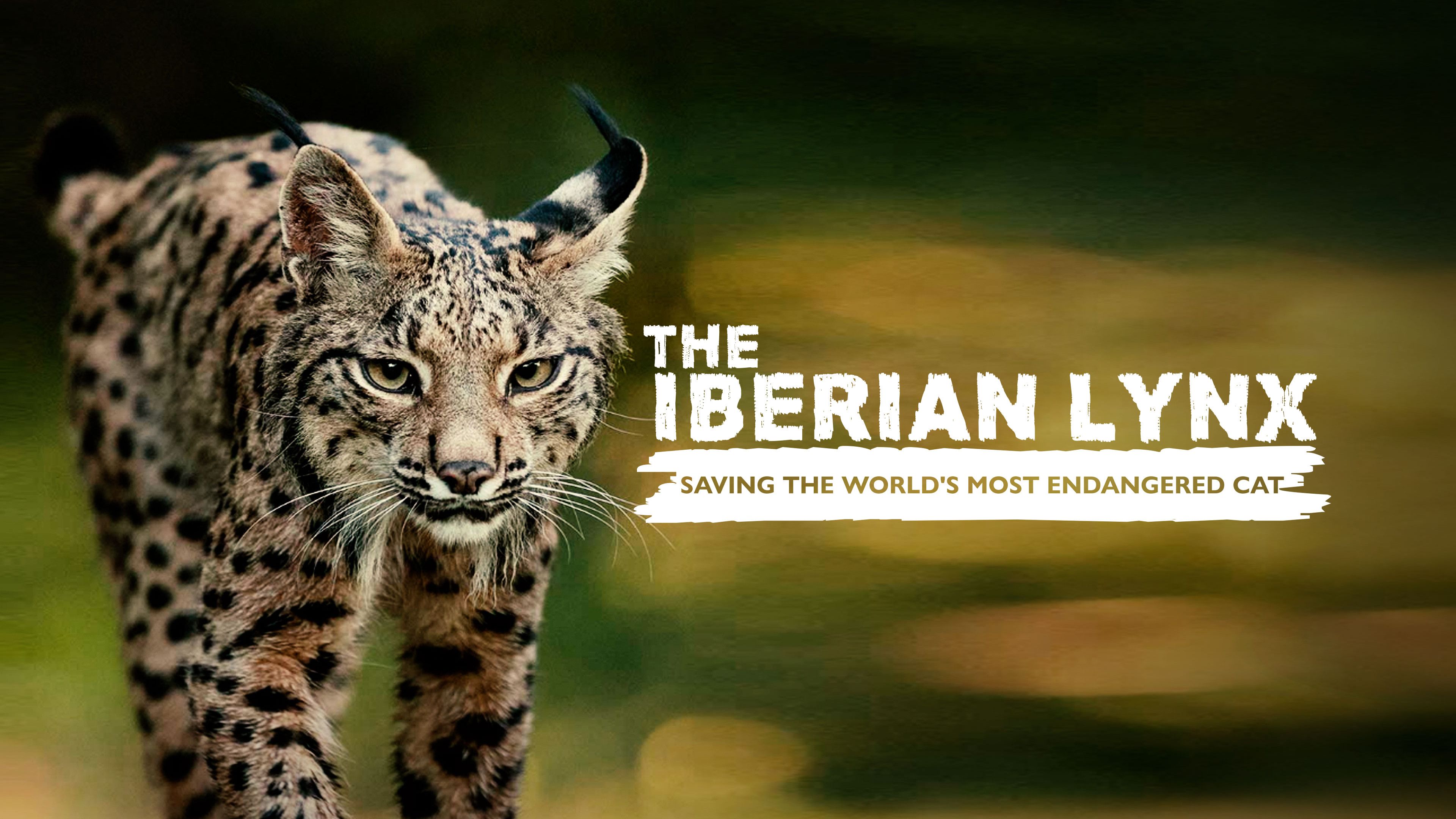
The Iberian Lynx, classified as the world’s most endangered cat, was once close to total extinction. Today, a group of scientists and conservationists are battling to repopulate the species, giving hope that these elusive animals may one day make a comeback.
 Original
- E12
- 17m
The staff of South Africa’s Manyoni Private Game Reserve passionately care for some of the world’s most exotic and endangered wild animals. From treating elephant foot infections to testing cheetahs for tuberculosis, they never know what to expect each day.
 Original
- 2 episodes
New discoveries of dinosaur fossils are completely changing what we know about the animals that lived on our planet millions of years ago.